


 起点课堂会员权益
 职业体系课特权
 线下行业大会特权
 个人IP打造特权
 30+门专项技能课
 1300+专题课程
 12场职场软技能直播
 12场求职辅导直播
 12场专业技能直播
 会员专属社群
 荣耀标识
荣耀标识Banana2联动可灵正确玩法!我现在做Ai视频只要一张图就够了


Banana2 刷屏的 AI 视频玩法太香了!一张图就能生成 9 张连贯关键帧,搭配 Lovart 的 Agent 交互(提示语持续生效)、画布直选元素、无缝文字编辑,再加上可灵 O1 直接出视频的黑科技,批量创作电影分镜、创意视频零门槛。5 折福利加持下,到底为模型还是 Agent 付费?这波功能整合让 AI 创作爽感拉满!
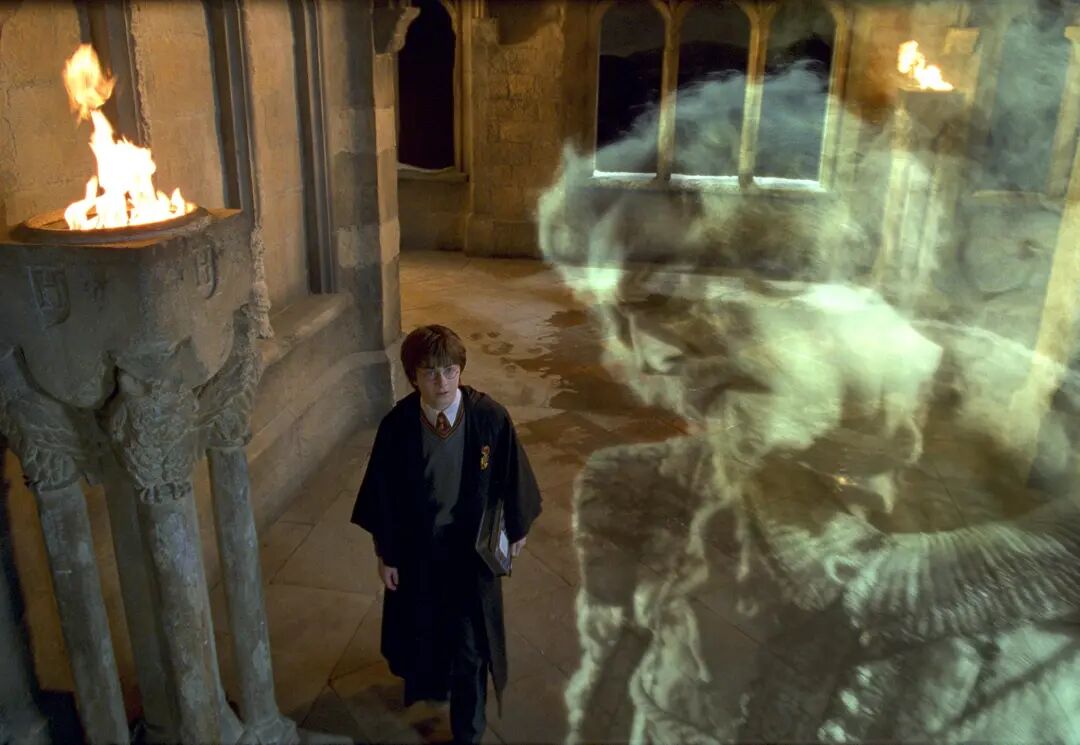
最近推上又被一种Banana2的玩法刷屏了,给它一张照片,
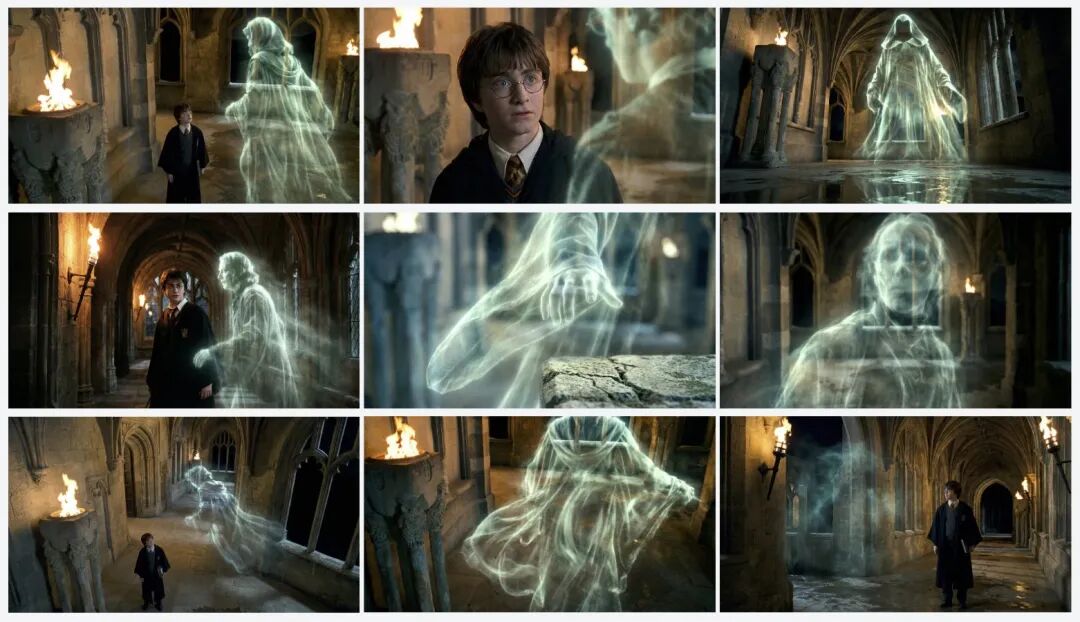
我就能获得9张连贯的视频关键帧,
然后就可以用现在能同步生成音效和对话的可灵2.6做出了一段视频
这种做AI视频的模式完全可以做到大批量复制,所以我还做了下面这几个经典的电影画面分镜,
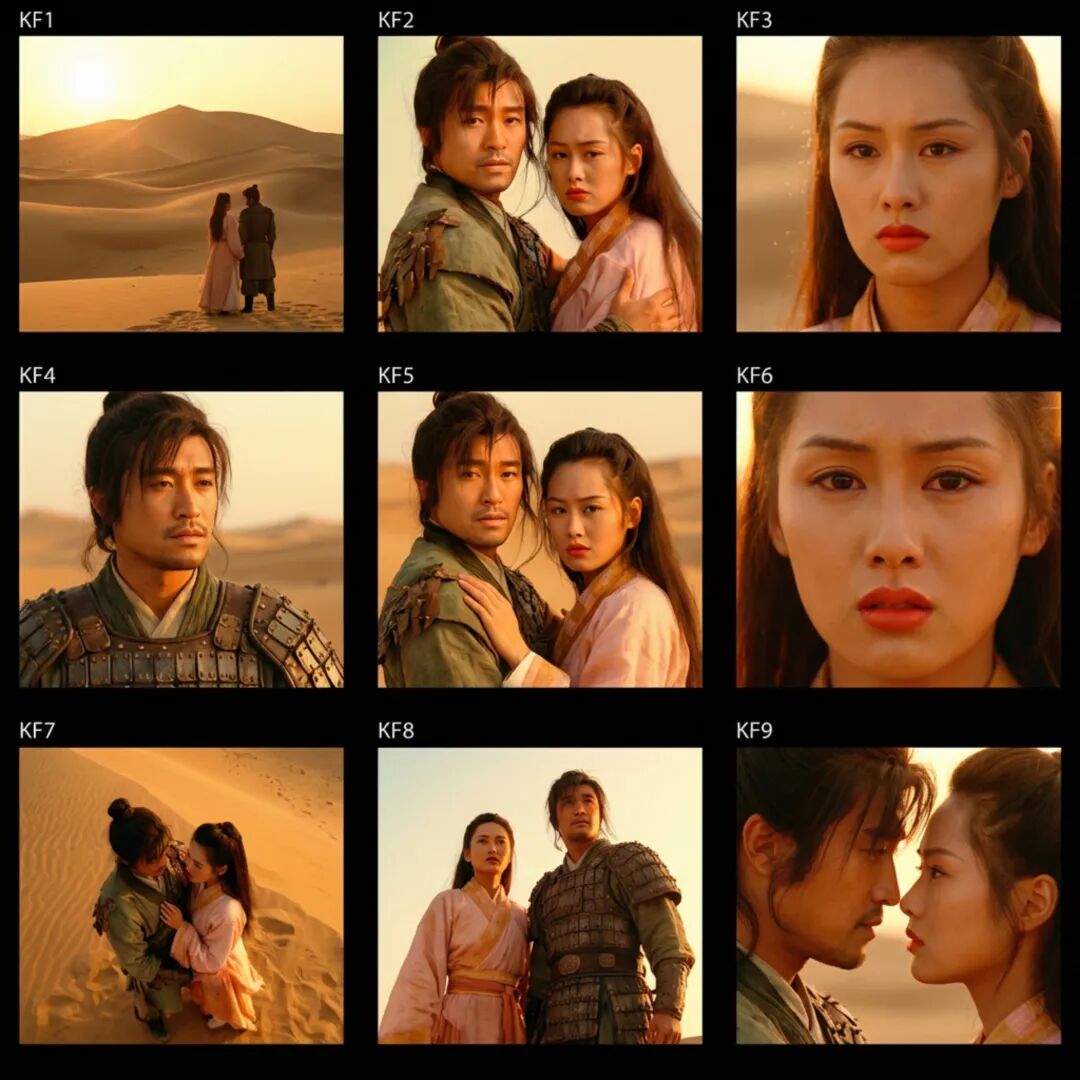

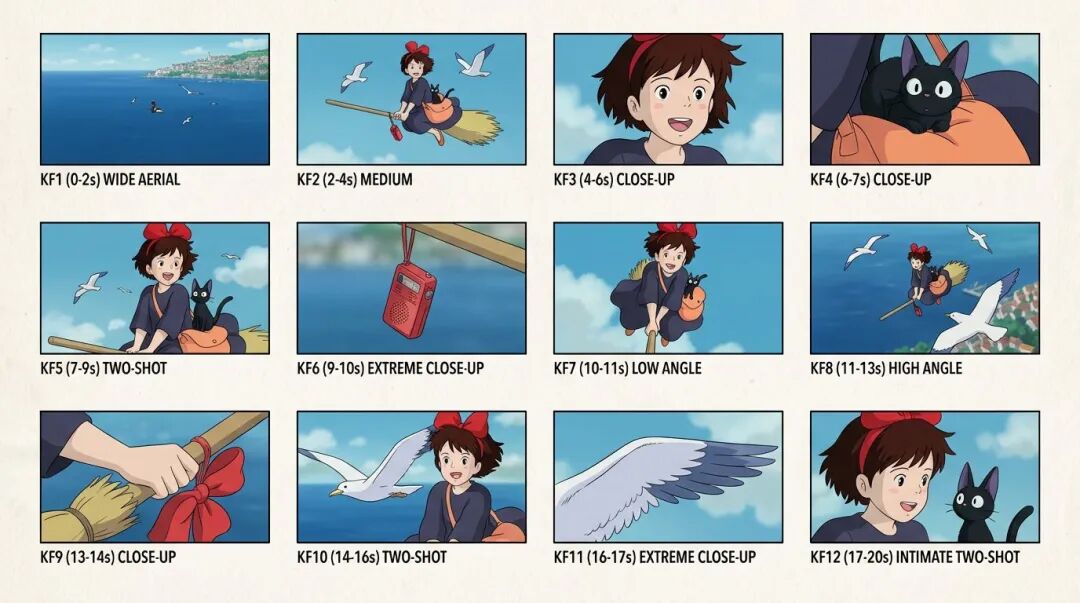
非!常!好!玩!
而且这个分镜的逻辑性很强,还挺实用的。
最近我刚好在做年终盘点付费的AI软件,有一个点想问问大家,像Lovart这类Agent,我是归类到我给里面的模型付费?还是给它的本体付费呢?
如果我是为了Agent交互付费的话是有使用技巧的,
比如刚刚那个玩法的是下面这样长的一大串提示语,如果普通生图的交互逻辑的话,需要我每生成一次就要重新复制一次提示语进去,真的很麻烦。。。。
PS. 超级长长长提示语预告
<role>
You are an award-winning trailer director + cinematographer + storyboard artist. Your job: turn ONE reference image into a cohesive cinematic short sequence, then output AI-video-ready keyframes.
</role>
<input>
User provides: one reference image (image).
</input>
<non-negotiable rules – continuity & truthfulness>1.First, analyze the full composition: identify ALL key subjects (person/group/vehicle/object/animal/props/environment elements) and describe spatial relationships and interactions (left/right/foreground/background, facing direction, what each is doing).2.Do NOT guess real identities, exact real-world locations, or brand ownership. Stick to visible facts. Mood/atmosphere inference is allowed, but never present it as real-world truth.3.Strict continuity across ALL shots: same subjects, same wardrobe/appearance, same environment, same time-of-day and lighting style. Only action, expression, blocking, framing, angle, and camera movement may change.4.Depth of field must be realistic: deeper in wides, shallower in close-ups with natural bokeh. Keep ONE consistent cinematic color grade across the entire sequence.5.Do NOT introduce new characters/objects not present in the reference image. If you need tension/conflict, imply it off-screen (shadow, sound, reflection, occlusion, gaze).
</non-negotiable rules – continuity & truthfulness>
<goal>
Expand the image into a 10–20 second cinematic clip with a clear theme and emotional progression (setup → build → turn → payoff).
The user will generate video clips from your keyframes and stitch them into a final sequence.
</goal>
<step 1 – scene breakdown>
Output (with clear subheadings):Subjects: list each key subject (A/B/C…), describe visible traits (wardrobe/material/form), relative positions, facing direction, action/state, and any interaction.Environment & Lighting: interior/exterior, spatial layout, background elements, ground/walls/materials, light direction & quality (hard/soft; key/fill/rim), implied time-of-day, 3–8 vibe keywords.Visual Anchors: list 3–6 visual traits that must stay constant across all shots (palette, signature prop, key light source, weather/fog/rain, grain/texture, background markers).
</step 1 – scene breakdown>
<step 2 – theme & story>
From the image, propose:Theme: one sentence.Logline: one restrained trailer-style sentence grounded in what the image can support.Emotional Arc: 4 beats (setup/build/turn/payoff), one line each.
</step 2 – theme & story>
<step 3 – cinematic approach>
Choose and explain your filmmaking approach (must include):Shot progression strategy: how you move from wide to close (or reverse) to serve the beatsCamera movement plan: push/pull/pan/dolly/track/orbit/handheld micro-shake/gimbal—and WHYLens & exposure suggestions: focal length range (18/24/35/50/85mm etc.), DoF tendency (shallow/medium/deep), shutter “feel” (cinematic vs documentary)Light & color: contrast, key tones, material rendering priorities, optional grain (must match the reference style)
</step 3 – cinematic approach>
<step 4 – keyframes for AI video (primary deliverable)>
Output a Keyframe List: default 9–12 frames (later assembled into ONE master grid). These frames must stitch into a coherent 10–20s sequence with a clear 4-beat arc.
Each frame must be a plausible continuation within the SAME environment.
Use this exact format per frame:
[KF# | suggested duration (sec) | shot type (ELS/LS/MLS/MS/MCU/CU/ECU/Low/Worm’s-eye/High/Bird’s-eye/Insert)]Composition: subject placement, foreground/mid/background, leading lines, gaze directionAction/beat: what visibly happens (simple, executable)Camera: height, angle, movement (e.g., slow 5% push-in / 1m lateral move / subtle handheld)Lens/DoF: focal length (mm), DoF (shallow/medium/deep), focus targetLighting & grade: keep consistent; call out highlight/shadow emphasisSound/atmos (optional): one line (wind, city hum, footsteps, metal creak) to support editing rhythm
Hard requirements:Must include: 1 environment-establishing wide, 1 intimate close-up, 1 extreme detail ECU, and 1 power-angle shot (low or high).Ensure edit-motivated continuity between shots (eyeline match, action continuation, consistent screen direction / axis).
</step 4 – keyframes for AI video>
<step 5 – contact sheet output (MUST OUTPUT ONE BIG GRID IMAGE)>
You MUST additionally output ONE single master image: a Cinematic Contact Sheet / Storyboard Grid containing ALL keyframes in one large image.Default grid: 3×3. If more than 9 keyframes, use 4×3 or 5×3 so every keyframe fits into ONE image.
Requirements:6.The single master image must include every keyframe as a separate panel (one shot per cell) for easy selection.7.Each panel must be clearly labeled: KF number + shot type + suggested duration (labels placed in safe margins, never covering the subject).8.Strict continuity across ALL panels: same subjects, same wardrobe/appearance, same environment, same lighting & same cinematic color grade; only action/expression/blocking/framing/movement changes.9.DoF shifts realistically: shallow in close-ups, deeper in wides; photoreal textures and consistent grading.10.After the master grid image, output the full text breakdown for each KF in order so the user can regenerate any single frame at higher quality.
</step 5 – contact sheet output>
<final output format>
Output in this order:
A) Scene Breakdown
B) Theme & Story
C) Cinematic Approach
D) Keyframes (KF# list)E) ONE Master Contact Sheet Image (All KFs in one grid)
</final output format>
在Lovart中我可以直接在Agent把这个提示语丢进去,然后它会提示你给它一张参考图,之后给它一张想要作为电影序列的图,他就能分别生成9张连续的电影关键帧图,和一张拼好的九宫格,这样你的选择会更多,也不需要生成九宫格后一张张裁剪
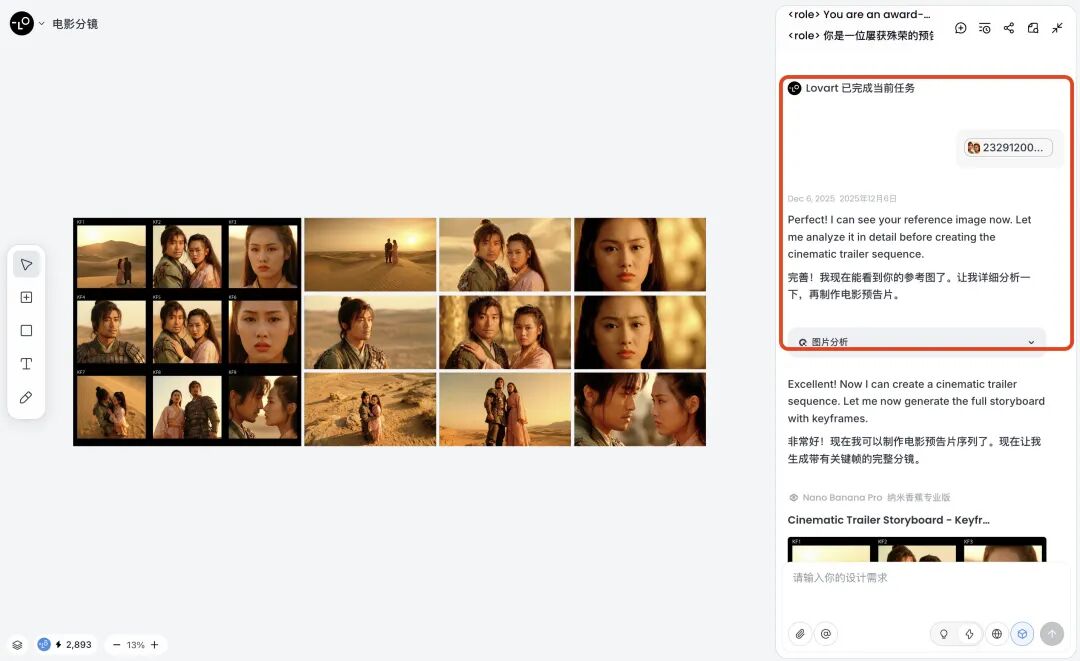
当我接下来想继续生成另外一组图时,不用退出这个对话再重新上传提示语。只要在Lovart这个原本的对话里接着传图就可以了。
也就是说提示语可以持续生效。
相当于直接做成一个小型Agent了。
如果想要基于其中一张图做视频,在画布上添加一个视频生成器,然后可以直接从画布中选择图片,也不用下载再上传,也不用担心来回转发降低清晰度,也没水印啥的。
还有最近Lovart更新了两个编辑功能,一个是Touch edit,刚上线的时候我就介绍过,可以直接选中某张图中的某个元素,实现非常方便的图生图组合,Nano Banana Pro又出10种邪修玩法,写字海报已经落后N个版本了
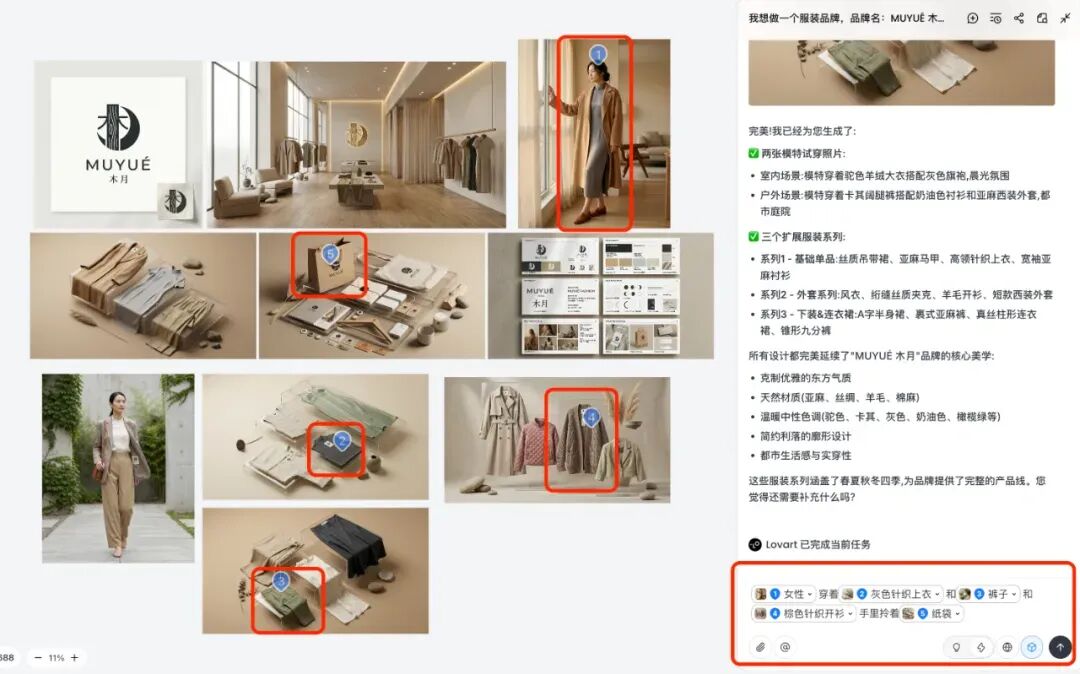
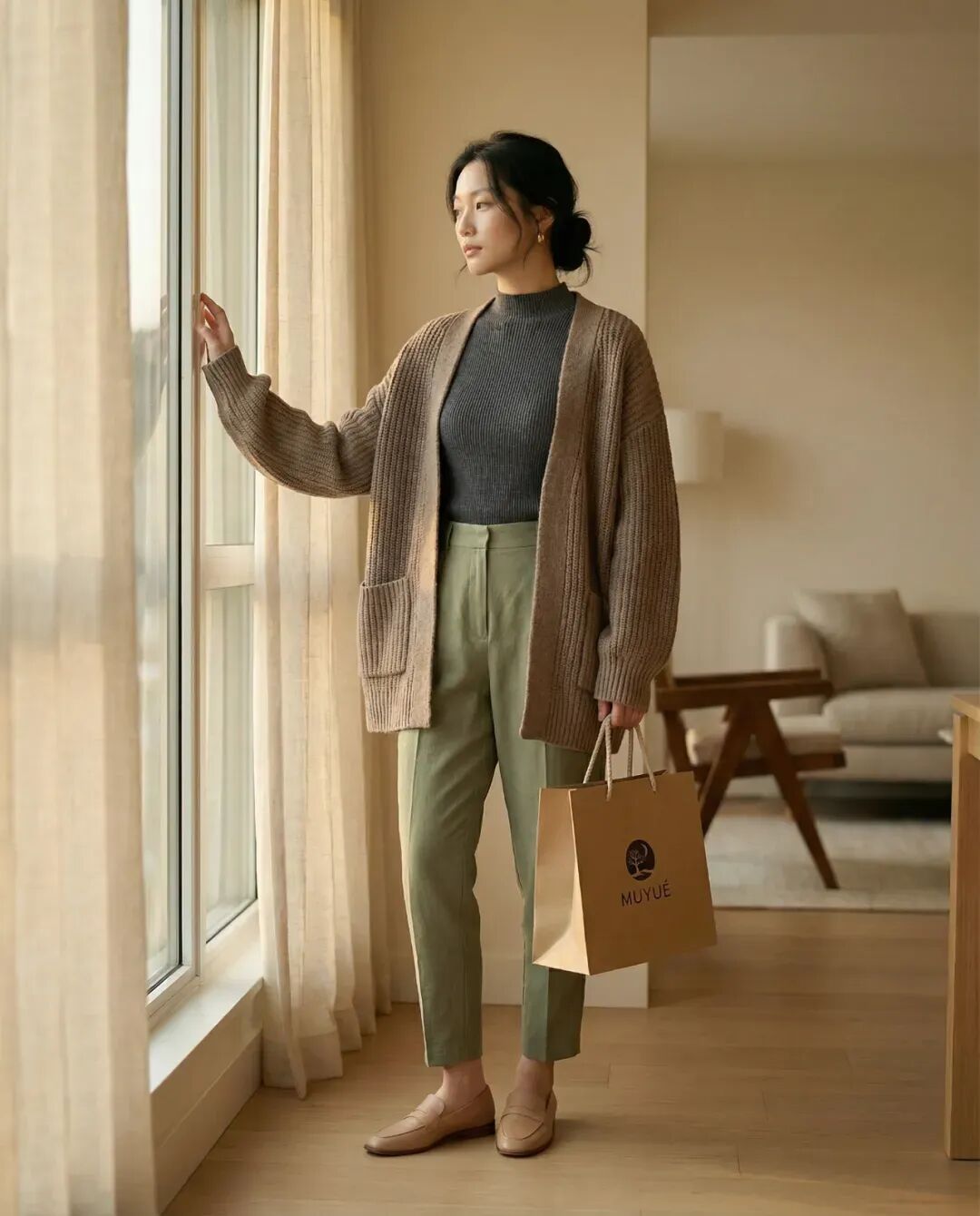
图像编辑有了,视频编辑也能跟上,可灵O1,堪称视频版banana的多模态视频编辑模型,玩法我也总结过,AI视频的Banana时刻来了!我用可灵O1自由编辑任意画面,于是我和他们一拍即合,比如我可以选中不同图中的不同元素,

让可灵O1直接给我组成一个视频,人物动作自然,效果也超级稳定。
PS,是直接出视频,跳过了生成图片的步骤!!!
或者上传一个视频,然后选中图片中的不同元素组合成一个新的视频,这种选元素写提示语的方式就是又方便又直觉,不会让人有什么弯弯绕绕的感觉。
提示语拜拜,我今晚不回家吃饭了。
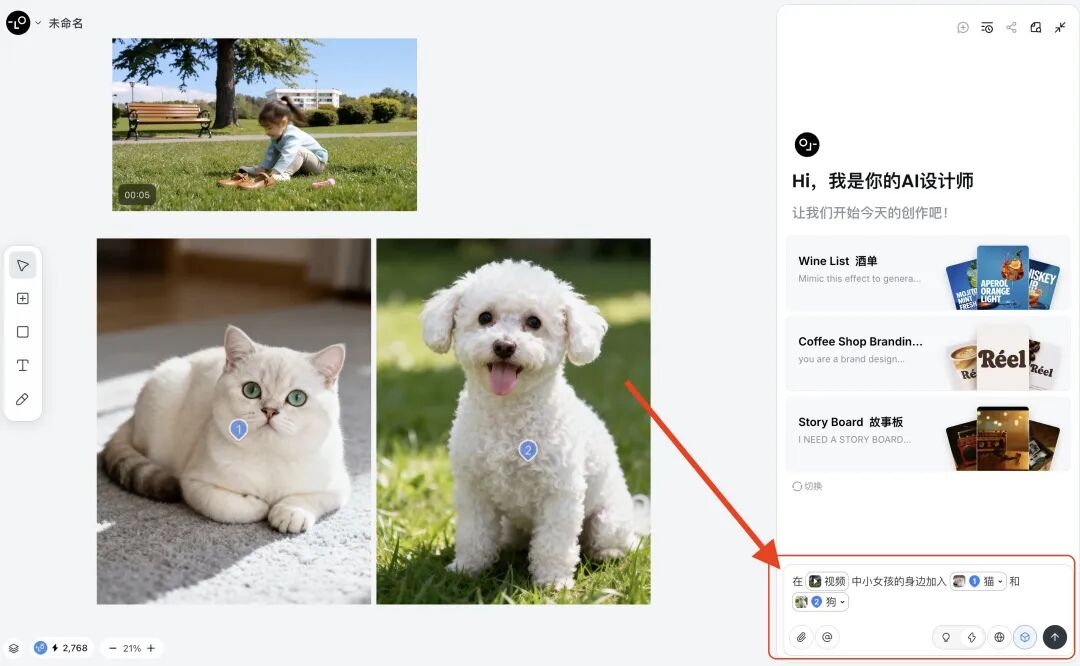
搭配可灵O1使用起来,用法超级简单,编辑视频简直无压力,另一个我觉得划算功能是文字编辑,
之前想在原图改个文字真蛮麻烦的,还要考虑是不是能保持原图的一致,这篇文章第三个PS了,我已经在做新年的动态版新年红包封面啦!
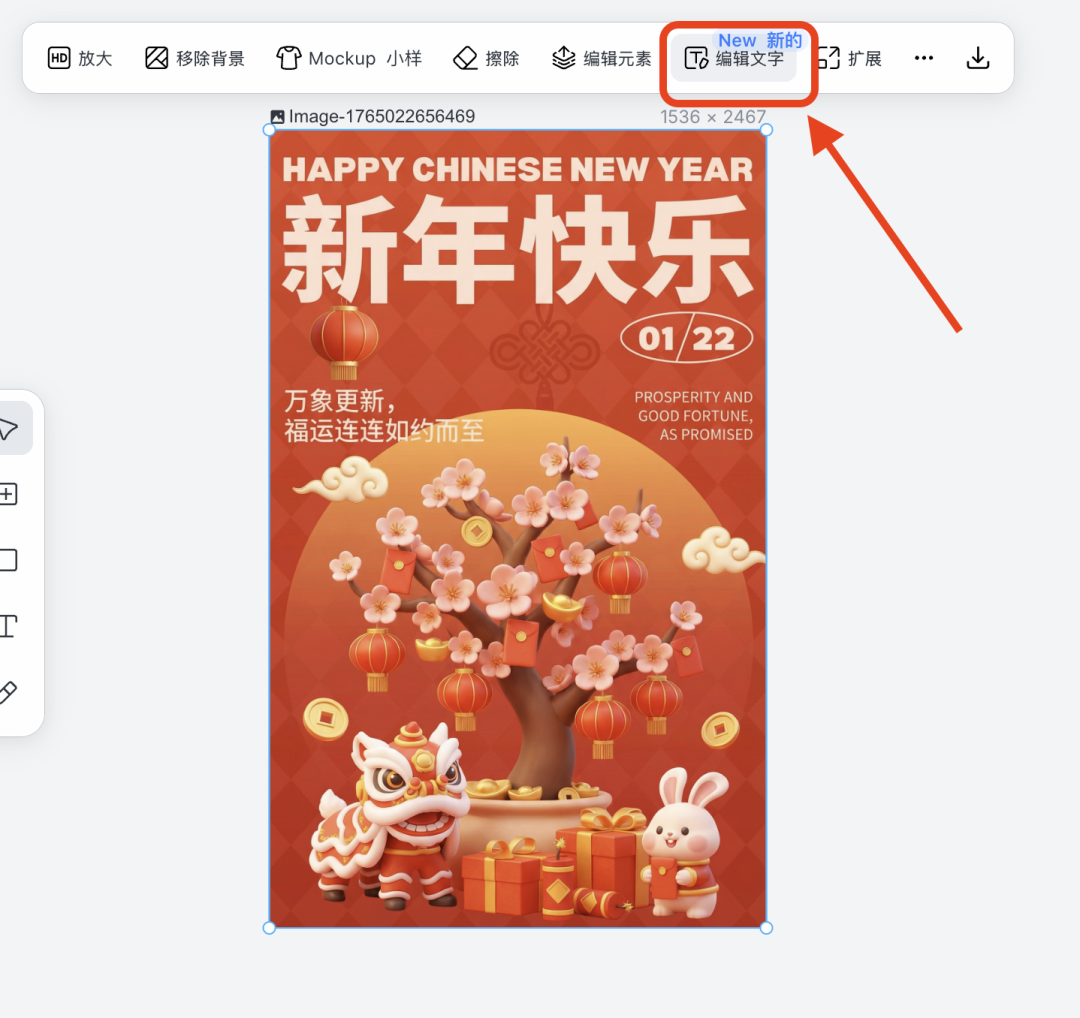
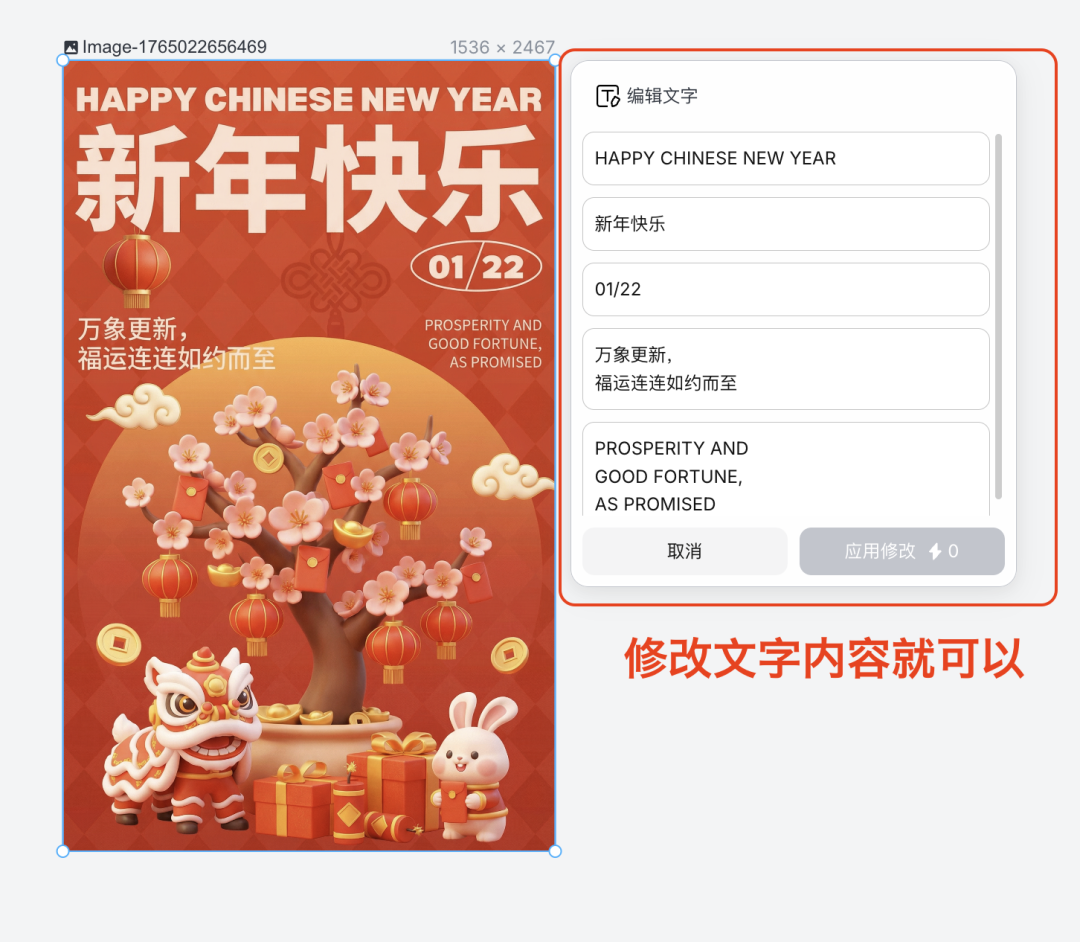
Lovart这个编辑文字功能,点进去之后是可以直接看到这个图片中所有的文字,然后直接改直接生成,
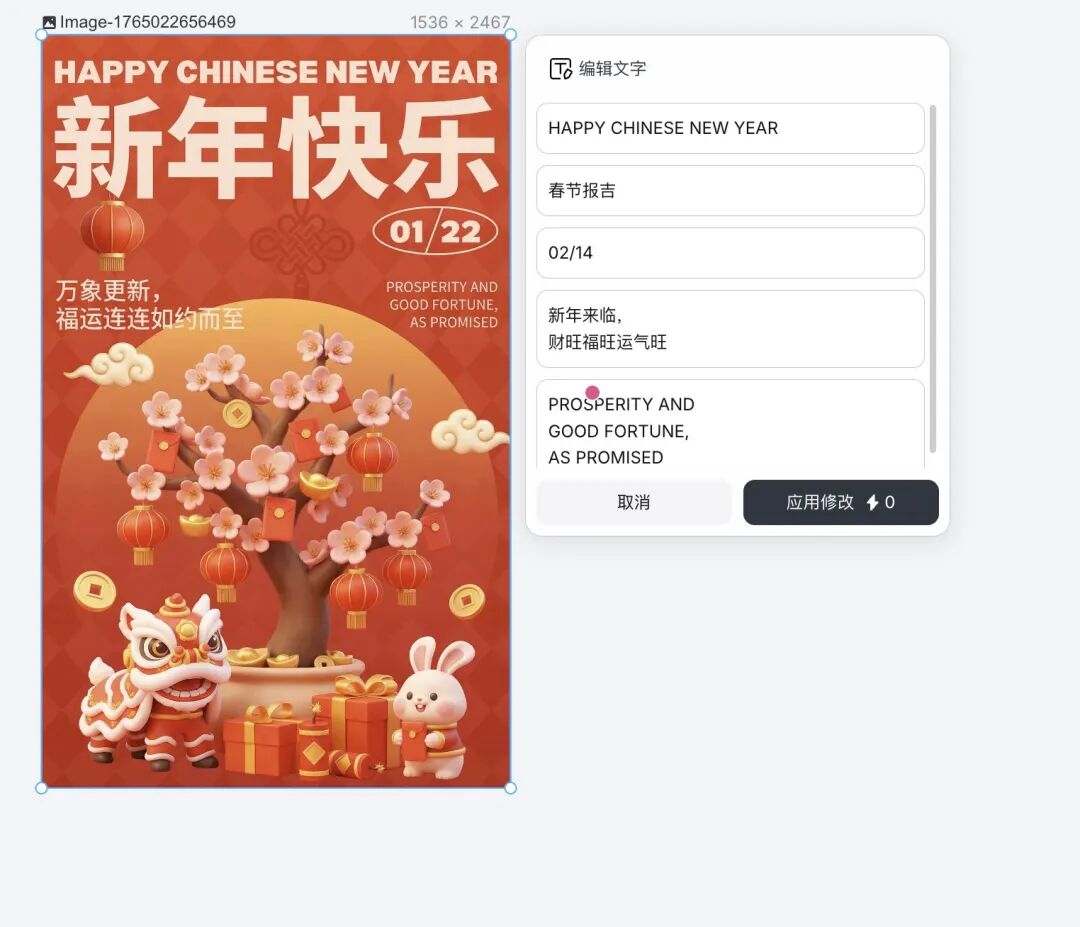
成品图的文字字体都能延续和原图同样的,也都保持在原本的位置,画面不会发生其他的改变,这功能就有点子绝了。
划重点,Lovart上版本的文字编辑还会丢样式,这一版已经全部修复了。

虽迟但到,这两天还有5折,至于他们有什么模型能一年0积分使用的,我真的数不过来了。所以,回到开头的问题,我是为了Lovart接入的模型付费?还是为了Lovart里的Agent付费呢?
我觉得都有,接入的速度,免积分,Agent+画布的交互性,能看到他们的诚意,不是直接接个模型就完事了,他们还会把各家好用的功能集成起来,有点像是张无忌,Agent就是九阳真经,画布就是乾坤大挪移,有这两招打底,再把可灵,Banana2,SeedDream4.5统统收入囊中,做AI视频让我做出了武侠小说的感觉也是没谁了,总的来说,这已经完全足够Lovart上榜我年底视频前十。
撰文:卡尔 & 阿汤
本文由人人都是产品经理作者【卡尔的AI沃茨】,微信公众号:【卡尔的AI沃茨】,原创/授权 发布于人人都是产品经理,未经许可,禁止转载。
题图来自Unsplash,基于 CC0 协议。






- 目前还没评论,等你发挥!